Archives
- 2026-05
- 2026-04
- 2026-03
- 2026-02
- 2026-01
- 2025-12
- 2025-11
- 2025-10
- 2025-09
- 2025-03
- 2025-02
- 2025-01
- 2024-12
- 2024-11
- 2024-10
- 2024-09
- 2024-08
- 2024-07
- 2024-06
- 2024-05
- 2024-04
- 2024-03
- 2024-02
- 2024-01
- 2023-12
- 2023-11
- 2023-10
- 2023-09
- 2023-08
- 2023-07
- 2023-06
- 2023-05
- 2023-04
- 2023-03
- 2023-02
- 2023-01
- 2022-12
- 2022-11
- 2022-10
- 2022-09
- 2022-08
- 2022-07
- 2022-06
- 2022-05
- 2022-04
- 2022-03
- 2022-02
- 2022-01
- 2021-12
- 2021-11
- 2021-10
- 2021-09
- 2021-08
- 2021-07
- 2021-06
- 2021-05
- 2021-04
- 2021-03
- 2021-02
- 2021-01
- 2020-12
- 2020-11
- 2020-10
- 2020-09
- 2020-08
- 2020-07
- 2020-06
- 2020-05
- 2020-04
- 2020-03
- 2020-02
- 2020-01
- 2019-12
- 2019-11
- 2019-10
- 2019-09
- 2019-08
- 2019-07
- 2019-06
- 2019-05
- 2019-04
- 2018-07
-
Complementing the effects of ARB and
2024-04-17
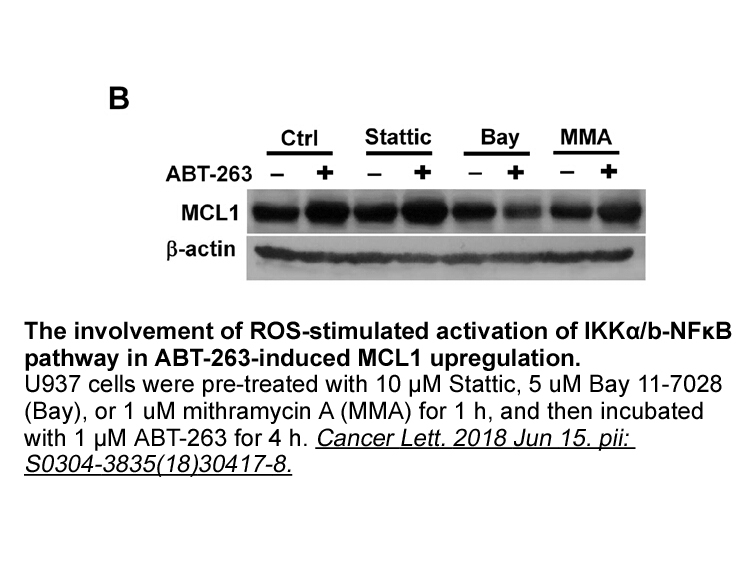
Complementing the effects of ARB and ACEI on HDL capacity to elicit cholesterol efflux, HDL of ARB- and ACEI-treated groups significantly lessened macrophage production of superoxide (Fig 2). As with efflux, there was no difference in this effect between the ARB and ACEI groups. These data are inter
-
From a clinical utility standpoint
2024-04-17

From a clinical utility standpoint, this study showed that AR can be useful in the GATA3-positive tumor of unknown origin setting. Epidemiologically, in this setting, the top 2 diagnoses in the differential diagnosis are metastatic carcinoma of breast origin or urothelial origin [18]. Seven out of 1
-
Breast Cancer Although androgens have been considered to be
2024-04-17

Breast Cancer: Although androgens have been considered to be a risk factor in prostate cancer they have been recommended to treat breast cancers. Even before the discovery of SERMs and aromatase inhibitors, steroidal androgens such as medroxyprogesterone and fluoxymesterone were used to treat breast
-
MSG model is well characterized and widely
2024-04-17
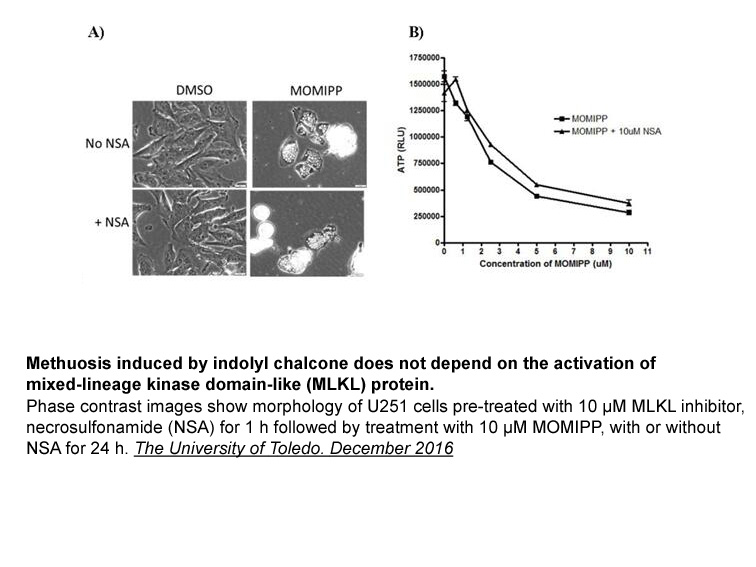
MSG model is well characterized and widely used because it is not influenced by dietary components and because it mimics a lesion in the arcuate nucleus and lateral hypothalamus that can occur in chronic obese patients (Moraes et al., 2009, Purkayasta and Cai, 2013). High fat fed diet is amongst the
-
br Conflict of interest statement br Acknowledgement br
2024-04-17
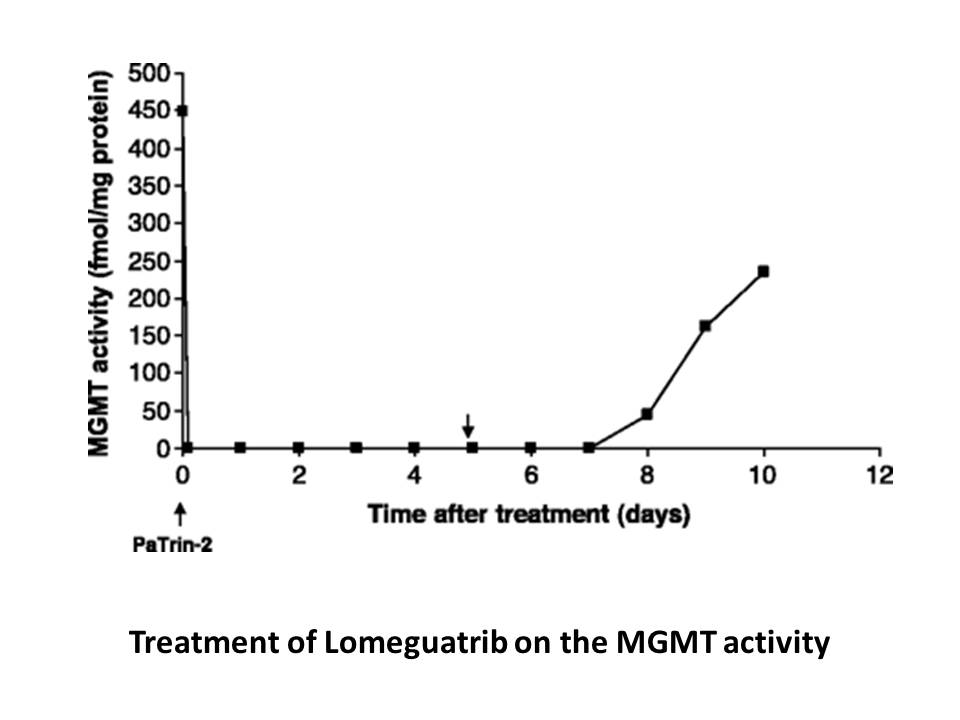
Conflict of interest statement Acknowledgement Introduction Lipoxygenases (LOs) are enzymes catalyzing the positional as well as stereo-specific introduction of molecular oxygen into 1,4-pentadiene structures found in unsaturated fatty acids such as arachidonic EZLink NHS-Biotin Kit or lino
-
Modulating the ability of tumor cells to
2024-04-17
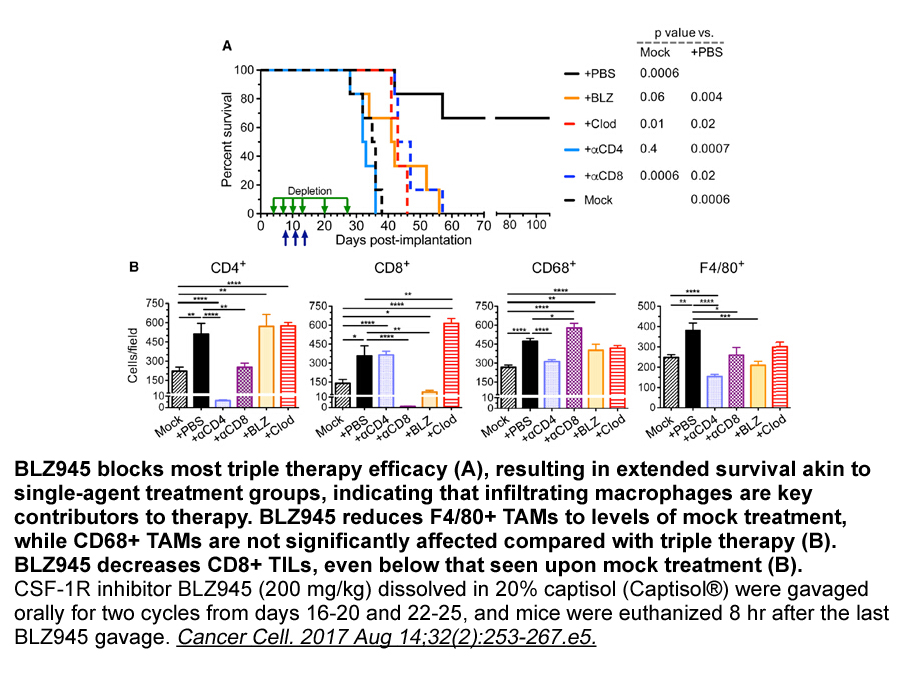
Modulating the ability of tumor beta lactamase inhibitor to detoxify ROS is a key mechanism by which cysteine metabolism affects tumor cell survival. One study observed hypermethylation of cysteine dioxygenase (CDO1) in 60% of tested breast cancer samples, leading to increased ROS detoxification and
-
Growing evidence indicates that GRKs can
2024-04-17
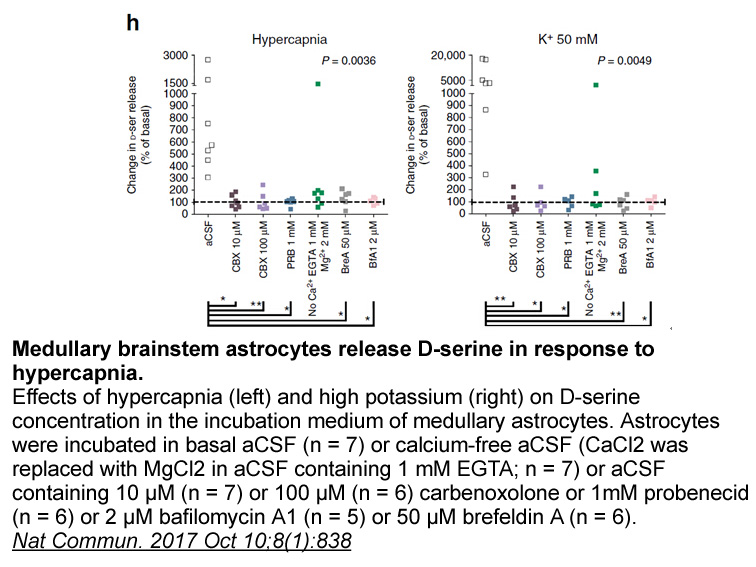
Growing evidence indicates that GRKs can exert different effects within the cell depending on the stimulus, cell type, and localization [97], [121]. In this sense, we were the first to demonstrate a mitochondrial localization for GRK2 [122], later confirmed by other investigators [123], establishing
-
br ABCA and cancer drug
2024-04-17
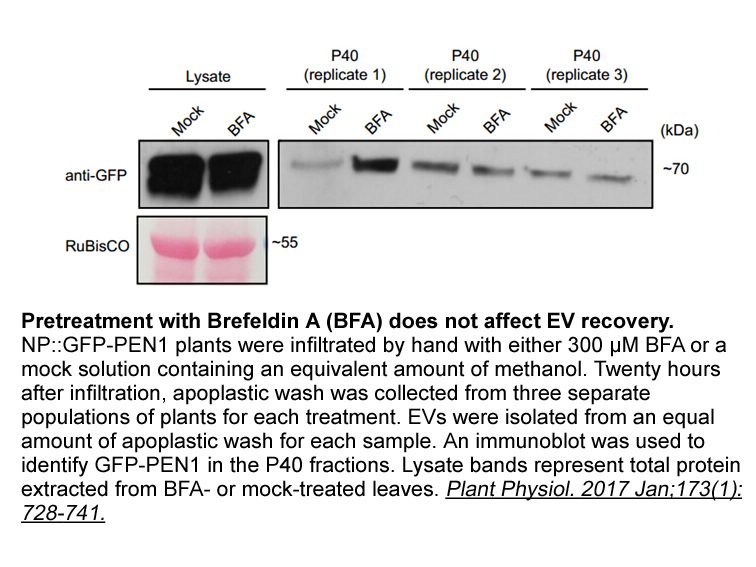
ABCA2 and cancer drug response Overall, the expression of ABC transporters has been linked with multidrug resistance phenotypes through the efflux of drugs via ATP-dependent transport. For example, 13 distinct transporters (ABCA2, ABCB1, ABCB4, ABCB11, ABCC1–6 ABCC10, ABCC11 and ABCG2) have been
-
psoralen br Methods br Results br Discussion Chronic stress
2024-04-17
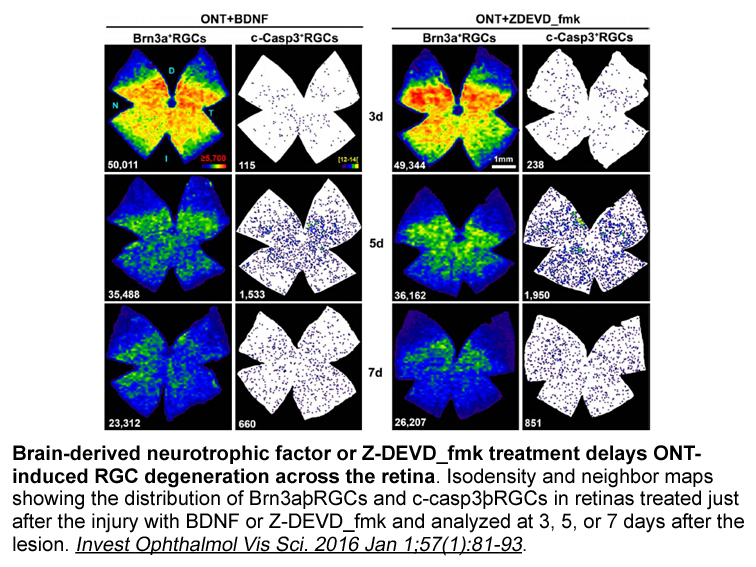
Methods Results Discussion Chronic stress renders individuals vulnerable to diseases, and this effect might be, at least partially, mediated by stress hormone-induced immunosuppression. Therefore, investigating the effects of catecholamines on immune psoralen is of high relevance. We hypot
-
Derivatives of M that possess either an alkyne or
2024-04-17
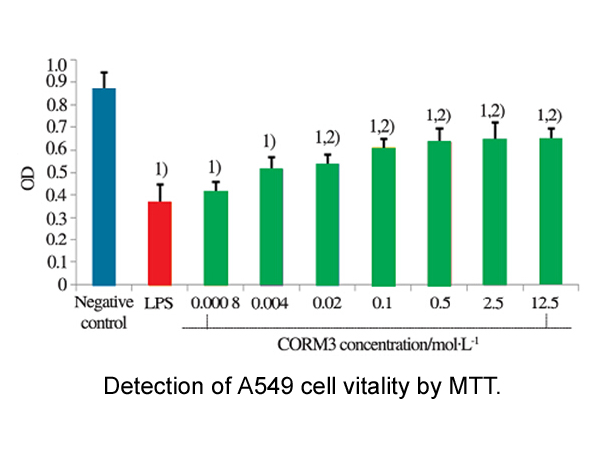
Derivatives of (+)-M100907 that possess either an alkyne or an azide have been synthesized. The most active enantiomer was obtained by resolution of a relatively early intermediate in the synthesis. The ability of these honokiol australia to maintain 5-HTR antagonist properties as (+)-M100907 was de
-
br Acknowledgments and Disclosures br
2024-04-17
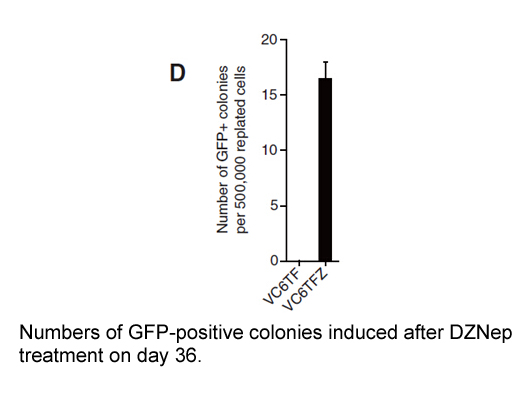
Acknowledgments and Disclosures Introduction In mammals, ejaculated sperm requires a finite period of residence in the female reproductive tract to become competent for fertilization (Visconti et al., 1995a, Visconti et al., 1995b). Once oocytes are matured, it is important for these cells to
-
br Conclusions and clinical relevance Astrogliosis and an in
2024-04-17
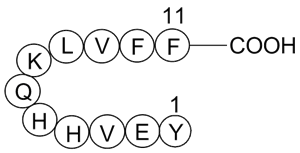
Conclusions and clinical relevance Astrogliosis and an increase in ADK is a pathologcial hallmark of epilepsy. The consequence of increased ADK in the epileptic Chlorogenic acid mg is a decrease in the ambient adenosine tone and A1R activity. As a result, systemic administration of A1R agonists
-
The adoptive transfer experiments additionally demonstrated
2024-04-17
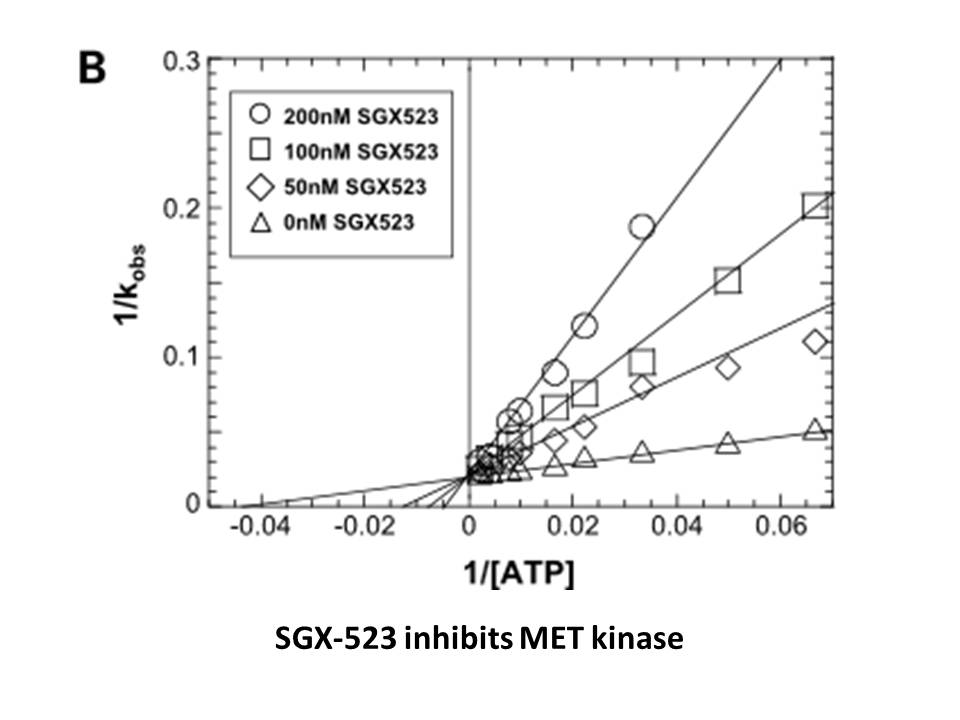
The adoptive transfer experiments additionally demonstrated the role of cholinergic regulation in the antibody immune response. Injection of LPI-stimulated B lymphocytes significantly up-regulated both the IgM and IgG responses to cytochrome c in the host. Obviously, this effect was due to activatio
-
br Conclusion There have been multiple clinical trials and p
2024-04-16

Conclusion There have been multiple clinical trials and pre-clinical studies that have tested the utility of 5ARIs in treating prostate disease, as summarized in Fig. 1. Inhibiting androgen action through the use of finasteride and dutasteride has been established as a valuable resource for physi
-
br Conclusion br List of abbreviations br Acknowledgment The
2024-04-16
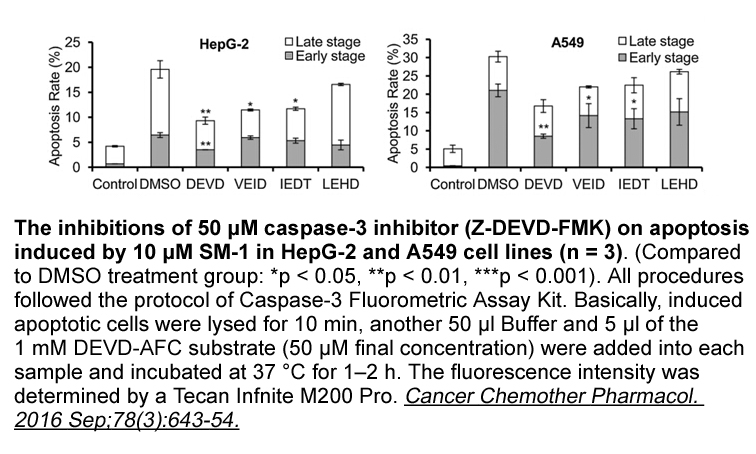
Conclusion List of abbreviations Acknowledgment The studies performed by our laboratory and presented in this review were supported by the Ministry of Education, Culture, Sports, Science and Technology of Japan, (KAKENHI 17590618 [to H.I.] and KAKENHI 22249017 [to Y.Y.]), and the Japanese S
15787 records 183/1053 page Previous Next First page 上5页 181182183184185 下5页 Last page