Archives
- 2026-06
- 2026-05
- 2026-04
- 2026-03
- 2026-02
- 2026-01
- 2025-12
- 2025-11
- 2025-10
- 2025-09
- 2025-03
- 2025-02
- 2025-01
- 2024-12
- 2024-11
- 2024-10
- 2024-09
- 2024-08
- 2024-07
- 2024-06
- 2024-05
- 2024-04
- 2024-03
- 2024-02
- 2024-01
- 2023-12
- 2023-11
- 2023-10
- 2023-09
- 2023-08
- 2023-07
- 2023-06
- 2023-05
- 2023-04
- 2023-03
- 2023-02
- 2023-01
- 2022-12
- 2022-11
- 2022-10
- 2022-09
- 2022-08
- 2022-07
- 2022-06
- 2022-05
- 2022-04
- 2022-03
- 2022-02
- 2022-01
- 2021-12
- 2021-11
- 2021-10
- 2021-09
- 2021-08
- 2021-07
- 2021-06
- 2021-05
- 2021-04
- 2021-03
- 2021-02
- 2021-01
- 2020-12
- 2020-11
- 2020-10
- 2020-09
- 2020-08
- 2020-07
- 2020-06
- 2020-05
- 2020-04
- 2020-03
- 2020-02
- 2020-01
- 2019-12
- 2019-11
- 2019-10
- 2019-09
- 2019-08
- 2019-07
- 2019-06
- 2019-05
- 2019-04
- 2018-07
-
The mechanism by which these HIV PIs impair skeletal
2021-02-04
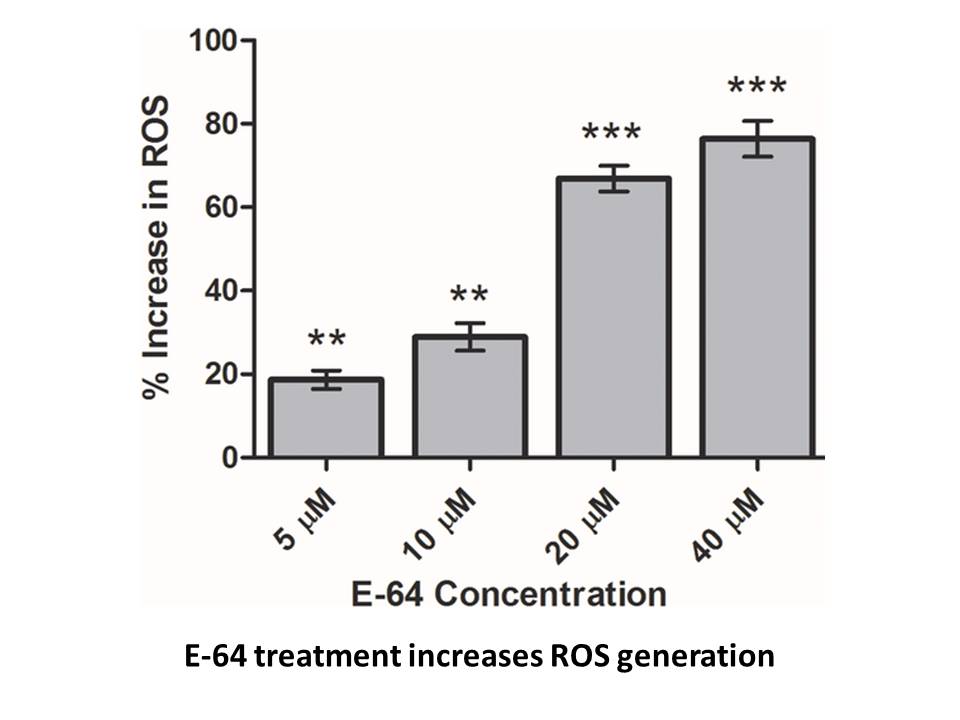
The mechanism by which these HIV-PIs impair skeletal muscle palmitate transport and oxidation has been partially elucidated. CD36 (also referred to as fatty 5-Methyl-CTP translocase; FAT) is a transmembrane protein involved in the transport of long-chain fatty acids (LCFA) across cellular membranes
-
br Experimental procedures br Acknowledgments
2021-02-04
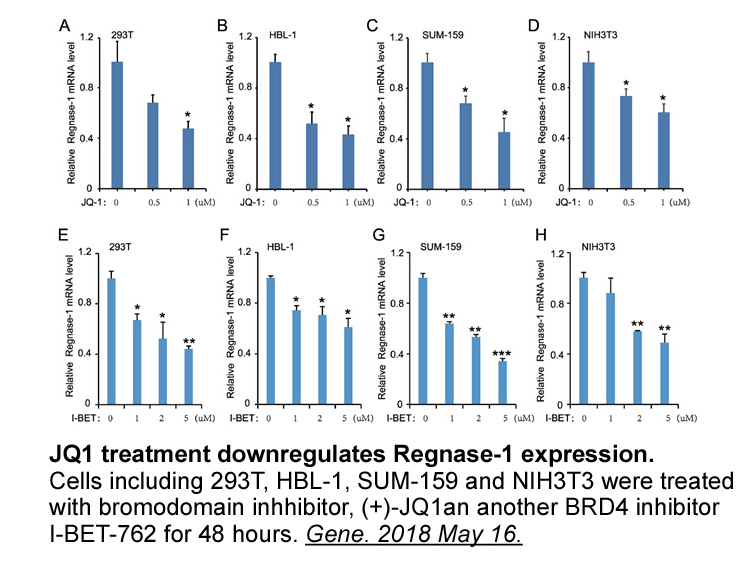
Experimental procedures Acknowledgments Introduction Receptor tyrosine kinases (RTKs) control many fundamental cellular processes, such as cell proliferation, differentiation, migration, and metabolism (Lemmon and Schlessinger, 2010). RTK activity is normally tightly controlled, and dysregu
-
Regardless of its effect on EBV infection the chemokine
2021-02-04
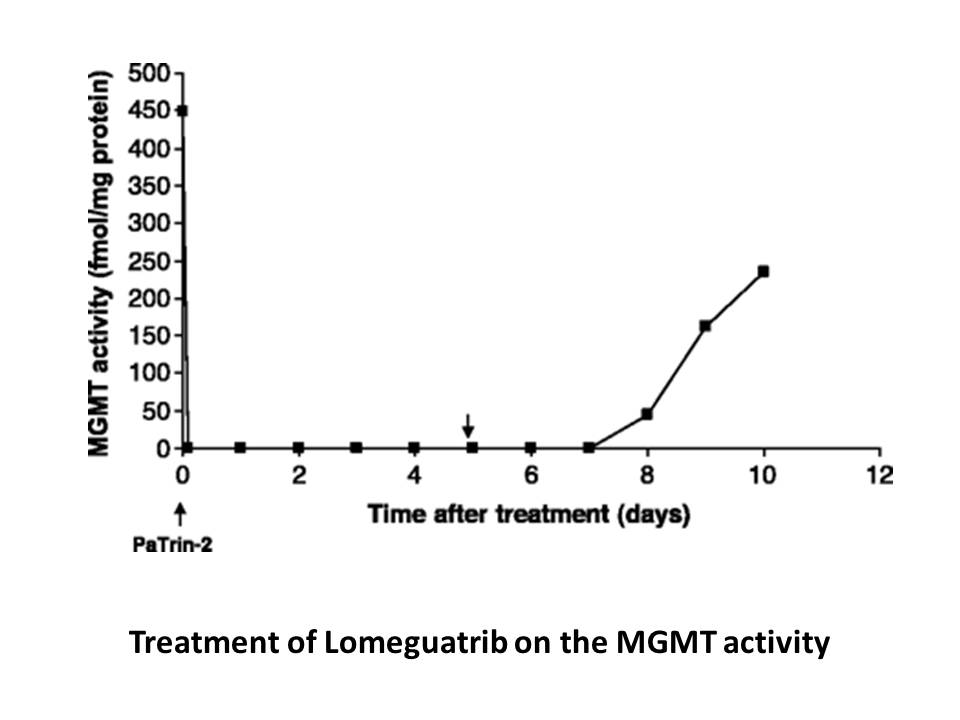
Regardless of its effect on EBV infection, the chemokine system has been found to be regulated in both nasopharyngeal cancer and Hodgkin lymphoma. As such, Hodgkin and Reed–Sternberg (HRS) cells from Hodgkin lymphoma and nasopharyngeal carcinoma cells have been shown to express CXCL8 and CCL17. Furt
-
The question arises as to how the massive conformational
2021-02-04

The question arises as to how the massive conformational changes determining whether APC/CCDC20–MCC is inhibited or able to catalyze MCC ubiquitylation are naturally controlled? This transition likely involves APC/C regions near the subunit APC15, because reducing cellular APC15 levels stabilizes MC
-
FOX proteins constitute a large class of transcription facto
2021-02-04
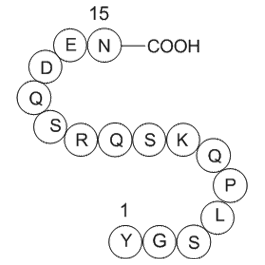
FOX proteins constitute a large class of transcription factors with multiple functions, from development and organogenesis to regulation of metabolic and immune functions. The Fox transcription factor is characterized by a 100-amino-acid wing helix or forkhead DNA-binding domain. In addition, the FO
-
br Introduction Vitis vinifera L is one of the
2021-02-03
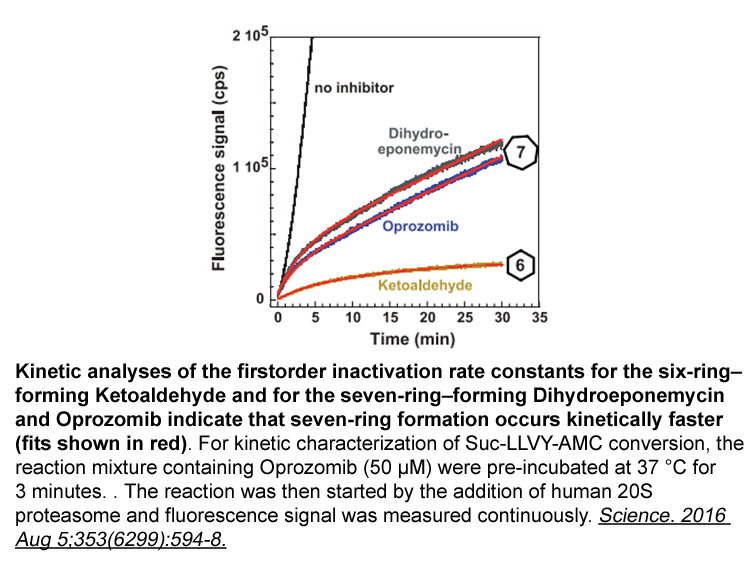
Introduction Vitis vinifera L. is one of the most worldwide-grown fruit crop and is mostly used in the wine industry (Bouquet, 2011). Domestication and history changed dramatically the biology of this species and today there are thousands of V. vinifera varieties, being many of them closely relat
-
As a functional ETC is required
2021-02-03
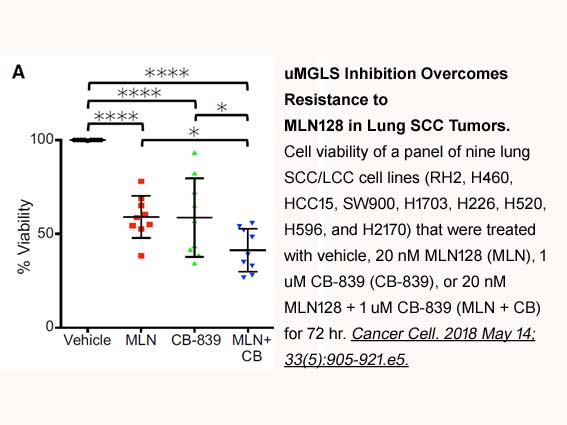
As a functional ETC is required for DHODH catalysis (Loffler, Jockel, Schuster, & Becker, 1997; Rawls, Knecht, Diekert, Lill, & Loffler, 2000; Zameitat, Freymark, Dietz, Loffler, & Bolker, 2007), DHODH depends on the mitochondrial ETC to generate adequate concentrations of ubiquinone (Fig. 2). Cells
-
br Results br Discussion The sequence homology based
2021-02-03
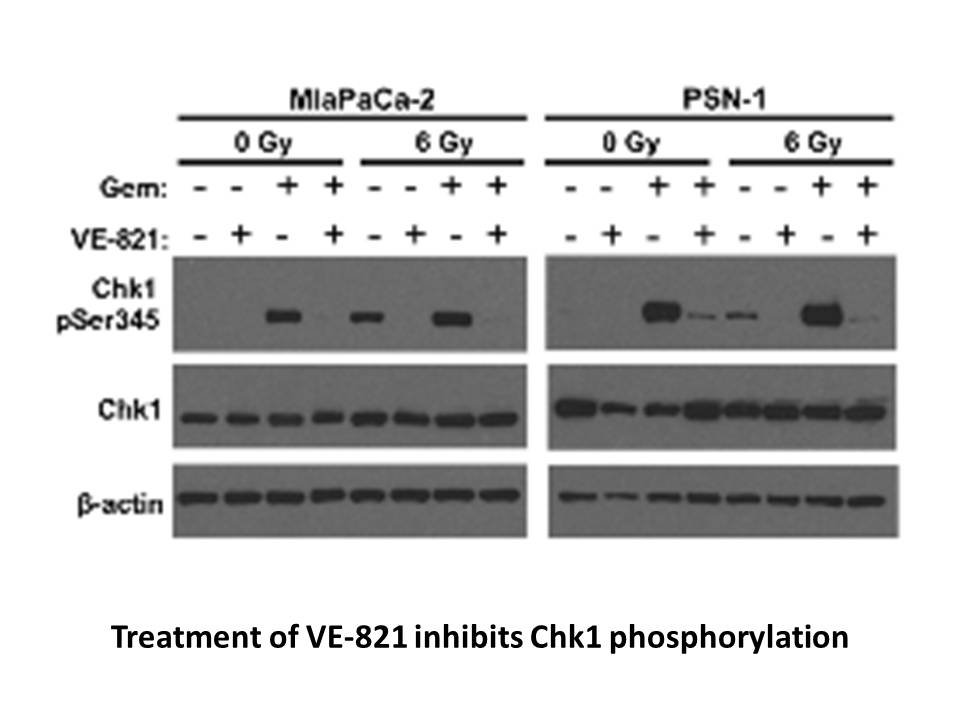
Results Discussion The sequence homology-based clustering of the human kinome by Manning et al. (2002) has been extremely useful to organize kinases into KN-93 hydrochloride sale by sequence relationship. Since kinases are such prominent drug targets, we expect that clustering of the kinases
-
Since Slaughter s proposal of
2021-02-03

Since Slaughter’s proposal of a genetic field defect concept for the explanation of the local relapse occurrence, much evidence has accumulated for its confirmation. The last ten years brought evidence that the genetic changes in the field are frequently accompanied by epigenetic aberrations. The ep
-
Among the CYP enzymes CYP D
2021-02-03
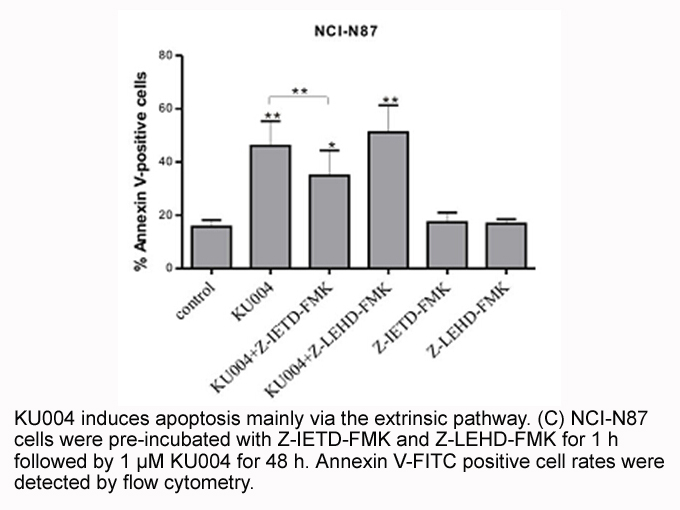
Among the CYP450 enzymes, CYP2D has been considered a crucial protein that involves in the metabolism of xenobiotics and drugs (Zanger and Schwab, 2013). Some isoforms of the CYP2D subfamily have been well characterized, such as CYP2D6 due to its clinical importance and CYP2D14 in black cattle (Hama
-
The requisite extended benzyl alcohols and
2021-02-03
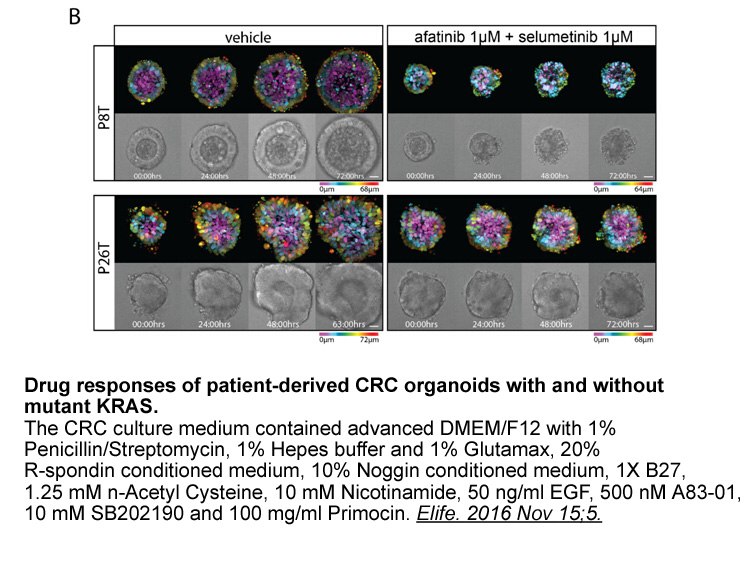
The requisite extended benzyl alcohols –, , and and final potential DFG-out binding hybrid inhibitors – and – were prepared as shown in , . Benzaldehyde was alkylated with -methoxybenzyl chloride and then reduced with sodium borohydride to give benzyl alcohol . Pyridine derivative was prepared by O-
-
br Crystal structure of c FMS and binding pattern of
2021-02-03
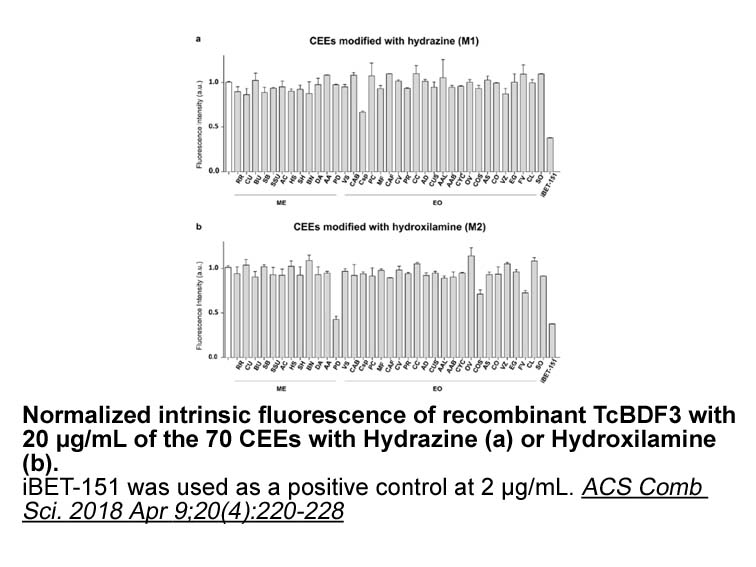
Crystal structure of c-FMS and binding pattern of CSF-1 and IL-34 c-FMS is a 972 amino acids polypeptides containing transmembrane glycoprotein [19]. It contains all the necessary domains required for tyrosine kinase activity, i.e. 512 amino pituitary adenylate cyclase-activating peptide N-termi
-
The large body of structural knowledge
2021-02-03
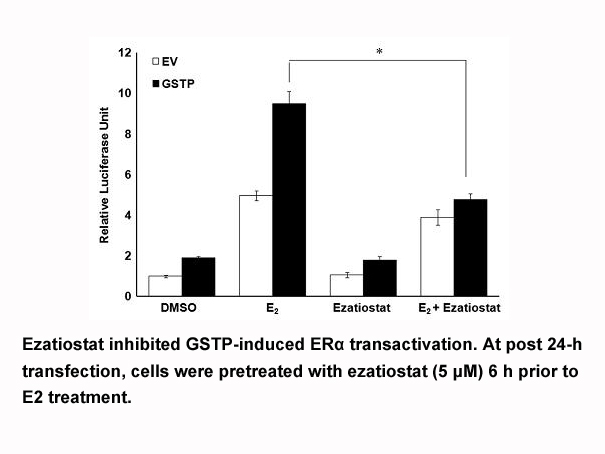
The large body of structural knowledge that is currently available for CRM1 has contributed to atomic level and mechanistic understanding of many steps in the CRM1 nuclear export cycle. However, structural analysis could still inform on several outstanding questions and guide future discoveries pert
-
Although differences in several nociceptive
2021-02-03
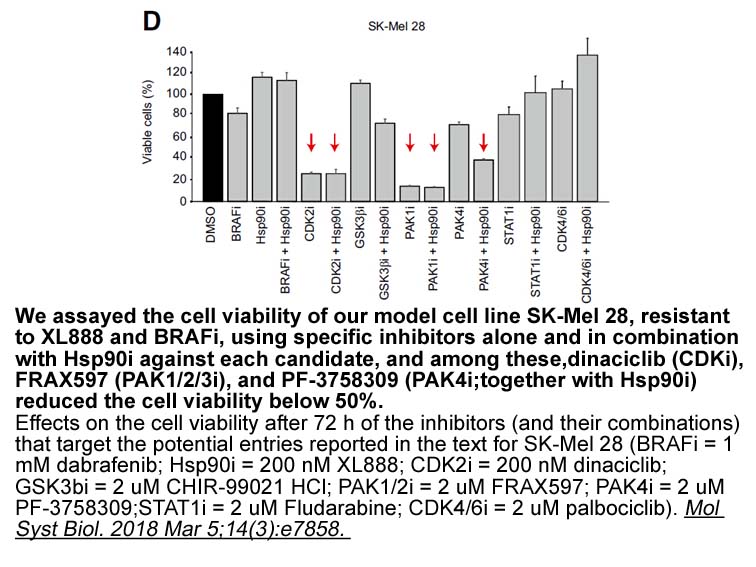
Although, differences in several nociceptive tests have previously been described across strains (Mogil et al., 1999), it is the first time that pain sensitivity in response to chemical and thermal stimuli has been evaluated in B6,129CRHtklee mice. Our results showed no differences in pain sensitivi
-
br Materials and methods br Results
2021-02-03
Materials and methods Results Discussion Intra-BNST injections of NOC-9 (at all doses) were able to produce freezing and anxiogenic-like effects. Freezing was observed immediately after the NO donor injection and lasted about 2–3min (data not shown). When exposed to the EPM 5min after intra
15796 records 711/1054 page Previous Next First page 上5页 711712713714715 下5页 Last page